Showing posts with label Vocabulary. Show all posts

Wednesday, 25 November 2020

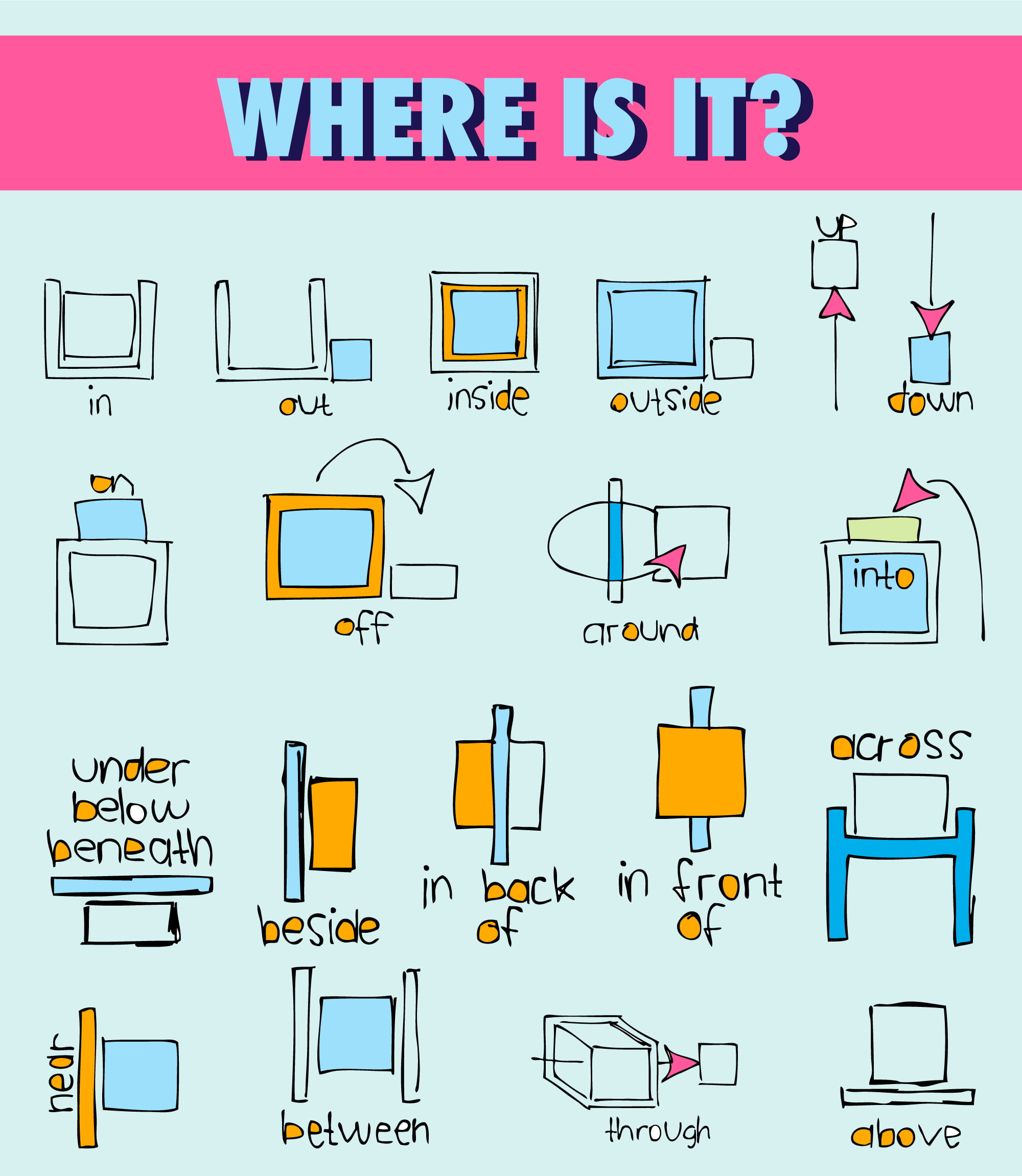
English for Beginners: Prepositions of Place

 Suitable for beginners CEFR A1+

Prepositions tell us the relationship between two or more people, places or things. Prepositions are commonly followed by nouns, noun phrases or pronouns

e.g. The cat is on the bed

There are over 100 prepositions in English! Some are single words and some consist of two or three words that are used together. This lesson is about prepositions of place, which tell us the location of something in relation to something else, or where something is. 


5 Types of Prepositions: An Easy Guide – INK Blog


Activity 1

Complete the sentences with a preposition of place.


400+ Free Living Room & Room Illustrations - Pixabay


1. The pink chair is _________ the fire. 

2. The logs are _____ the basket. 

3. A glass of wine is ____ the table. 

4. The desk is ___________ the window. 

5. The blue flowers are ___________ the desk and the wardrobe.  

6. There are some books ____ the desk ______ the lamp.  

7. The pink chair is _______ the footstool. 

8. The footstool is __________ the pink chair.  

9. The rug is ________ the small table. 

10. The picture is ________ the fireplace.  

11. The ocean is  __________ the window.

Wednesday, 15 July 2020

Conjunctions: and, so, but, because

Suitable for Elementary CEFR A2+

And or but?

We use and to add relevant information

For example:

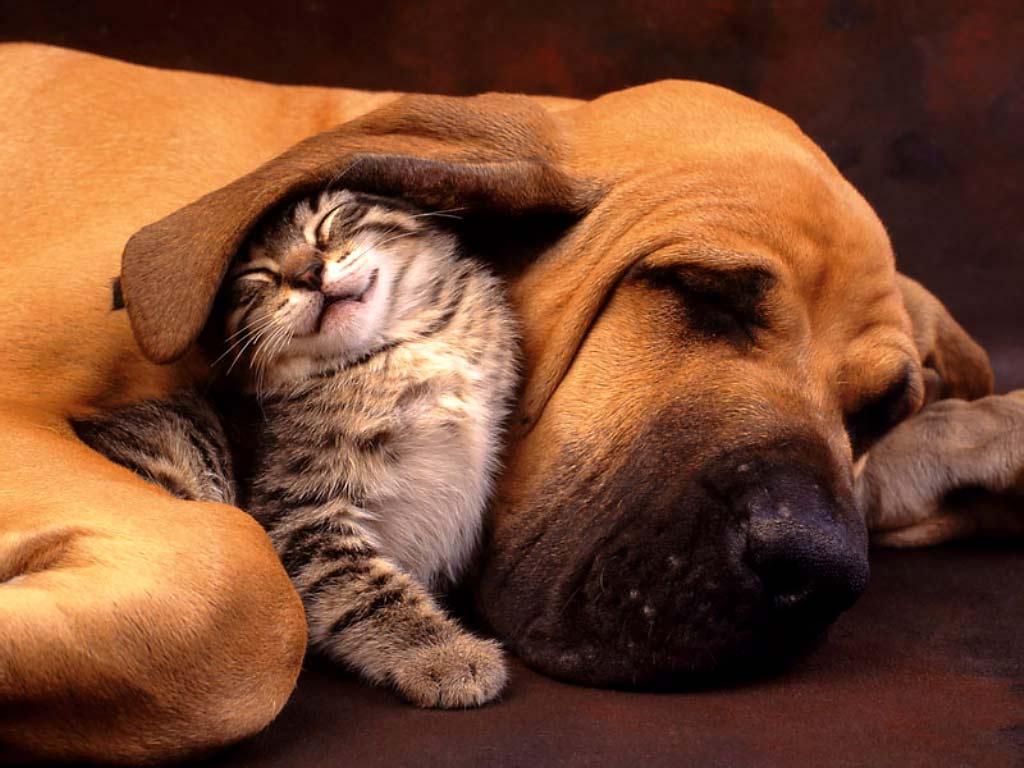
I have a cat and a dog.


cat-and-dog | editgif.com/cat-and-dog.jpg | Katlene Niven | Flickr


or join two sentences that are similar or to be taken together. These are usually two sentences with positive meaning or two sentences with negative meaning.

For example: 

He got up at 7am and had a shower
[_____________]       [__________]          
     positive 😊              positive 😊

Wake Up Time | Free SVG

She is very afraid of spiders and hates it when she finds them in the bathroom.
[_____________________]        [____________________________________]
              negative 😟                                                 negative 😟


We use but to join two different or contrasting sentences. But is often used to join a positive sentence with one that has negative meaning.

For example:

We ordered some food but it arrived late.
[_________________]       [__________]
          positive 😊                 negative 😞    
 
He is very slim but he isn't very healthy.
[___________]      [_______________]   
  positive 😊                 negative 😞

They went to the party but they didn't enjoy it.
[_________________]       [_____________]
         positive 😊                     negative 😞

So or because?

We use so to tell the results of an action or situation and we use because to tell the cause of an action or situation.

For example:

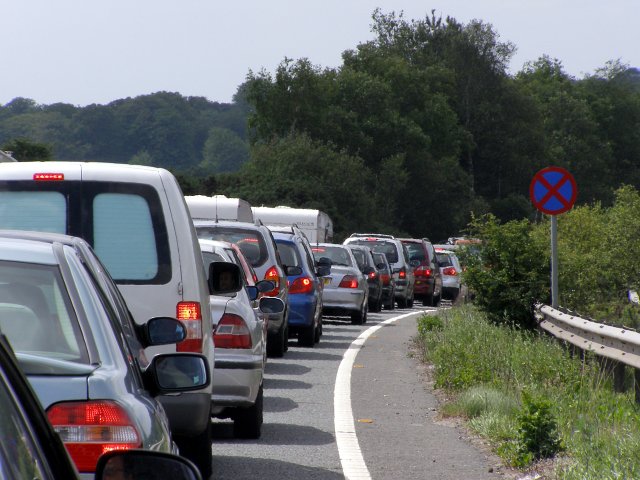
I'm going to be late because the traffic is awful.
[______________]                [_____________]
         situation                                  reason
           2nd                                        1st

File:Bank holiday weekend traffic jam on the A31(T), New Forest ...


The traffic is awful so I'm going to be late.
[_____________]       [______________]
       situation                          result
         1st                                 2nd

She wasn't busy so she helped me.
[____________]      [___________]
      situation                    result
          1st                          2nd

The dog was happy because he had fun at the park.
[_______________]              [_________________]
        situation                                     reason
           2nd                                           1st


Activity

Complete the sentences with the correct conjunction.

1. I like chocolate ______ fruit.
2. It was raining ______ we took our umbrellas.
3. They always studied hard _____ they passed their exams.
4. She was late for class _______ the bus arrived late.
5. It was cold when I left the house this morning _____ I put on a hat and a scarf.


Post your answers in the comments and don't forget to like and subscribe for more free English lessons!





Wednesday, 1 July 2020

IELTS Sports Vocabulary

Suitable for pre-intermediate CEFR B1+

#IELTS #vocab #sport

Activity 1

Complete the table with the correct vocabulary

running       football        snowboarding        scuba diving          net                                                         rink               court                        goggles                         gloves 
course          boxing           weightlifting            fins            clubs


 SportPlace
 Equipment
 1
 pitch ball / goal
 2
 ring _____ / shorts
 3 tennis
  ball / ___ / raquet
 4
 ocean / sea
 oxygen tank / ____
 5 golf
  _____ / irons
 6 pool costume / _______
 7 mountain slopes board
 8
 gym weights
 9 ice-skating
  skates
 10 track shoes / spikes


Activity 2

Do any of these sports appeal to you? Why/Why not?
Which of these activities do you think are most popular? Explain why.

Record yourself speaking the answers or write your answers in the comments!


person weightlifting painting, man, lifting, black, steel barbell ...

Activity 3

Describe at least one example of each type of sport. Use a dictionary to help you.

1. Motor
2. Winter
3. Water
4. Equestrian
5. Indoor
6. Track and field
7. Team
8. Indoor

Record yourself speaking the answers or write your answers in the comments!


Sources

Ready for IELTS:Sam McCarter:2010:Macmillan Publishers:Thailand


Wednesday, 13 May 2020

Do you mean bad bad or bad good? 10 Confusing English Contronyms


Suitable for intermediate CEFR B1+

#vocabulary #EnglishVocab #miscommunication

Any English learner will realise that English has a notoriously large vocabulary. The current edition of the Oxford English Dictionary contains a staggering 218,632 words 171,476 of which are currently in use, making English vocabulary the largest of any language in the world by number of dictionary entries. Having a large vocabulary can be useful because it allows for greater freedom of description and expression, but it can sometimes lead to misunderstandings or miscommunication. You’ve probably heard of synonyms – different words with similar meaning, but what about contronyms?

Contronyms also known as antagonyms are words that have two opposing meanings. Contronyms should not be confused with antonyms, which are words opposite in meaning to another word, such as big is to small and hot is to cold. So here are 10 most common confusing contronyms that have two opposite meanings.


1. Bolt (v.)


Running horse | View Large On Black In the morning mist, thi… | Flickr


To bolt can mean to escape or run away suddenly, as in ‘the horse bolted from its stable yard,’ or to fasten or secure something, as in ‘the door was bolted.’  


2. Buckle (v.)


Project 365 #107: 170417 Warped | This I can only assume to … | Flickr


To buckle can mean to fasten, as in ‘she buckled her shoes,’ or to bend, distort or collapse, as in ‘the heel of her shoe buckled.’ 


3. Clip (v.)


Papier mit einer Schere schneiden - Creative Commons Bilder


To clip can mean to fasten together, as in ‘he clipped the papers together,’ or to cut, as in ‘he clipped the paper to an appropriate size.’

4. Consult (v.)


Free Images : planner, evaluate, assessment, teamwork, consulting ...


This verb can mean to give advice and obtain advice.

5. Custom (n.)


Beaulieu Custom Motorcycle Show 2012 | photos by: idesignweb… | Flickr


We often talk of customs associated with different countries or cultures, but the word custom means both something normal and ordinary, and something special and unique.

6. Dust (v.)


Sieve Icing Sugar Kitchen Help - Free photo on Pixabay


To dust can mean to cover or sprinkle over something, as in ‘once cooled, dust with icing sugar,’ or to clean by removing fine particles, as in ‘I need to dust the shelves in the living room.’


7. Fast (adj.)


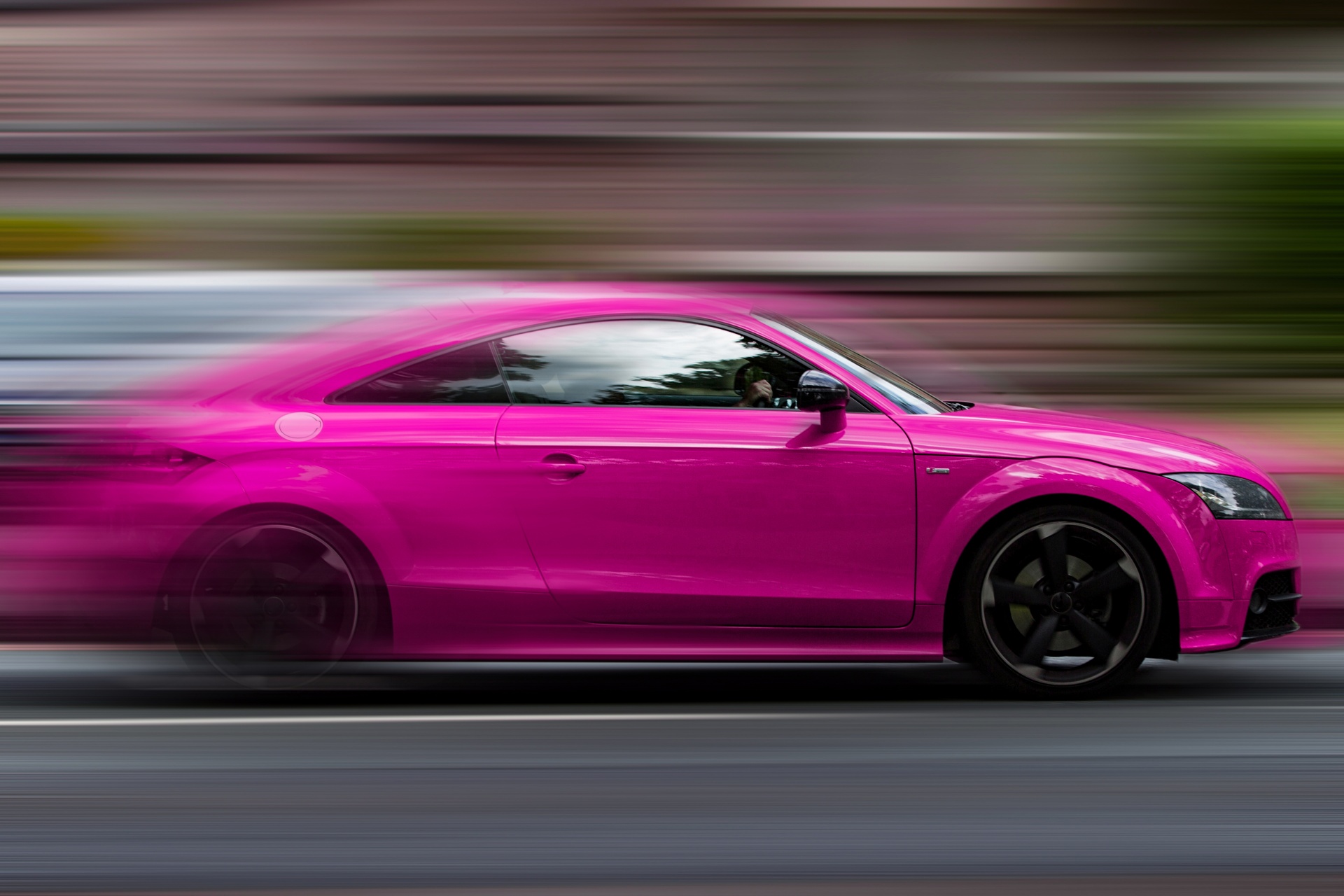
 Fast Sport Car Free Stock Photo - Public Domain Pictures


Fast is an adjective that can mean moving or capable of moving quickly, as in ‘the dog ran fast,’ or firmly fixed in position or attached, as in ‘the lid was stuck fast.’

8. Fine (adj.)


Visual arts - Wikipedia


When someone asks how we are and we reply ‘I’m fine, thank you,’ we are indicating that we are neither very well nor very unwell, but just ok or as usual, but the word fine can also mean something of very high quality, as in ‘the gallery sells a selection of fine art.’

9.  Hold up (v.)


 Traffic queue, Sydenham bypass (February... © Albert Bridge ...


This phrasal verb can mean to delay, as in ‘Sorry I’m late, I was held up in traffic,’ or to support, as in ‘hopefully this bandage will hold up until we get to the hospital.’


10. Sanction (v.)

Free Images : discipline, angry, woman, mother, child, parents ...

To sanction can mean both to authorise, approve or allow or to restrict or penalise as a form of discipline.


These are just a few examples. Can you think of any contronyms in your language? I’d love to hear from you. Please comment below!

Stop Saying VERY! Use These Advanced Adjectives to Instantly Improve Your English Fluency

 #vocabulary #English #ielts #ieltsprep #ieltsspeaking   Very is one of the most overused words in the English language and the worst thing ...