Showing posts with label Life in the UK. Show all posts

Thursday, 25 February 2021

What's so funny? British Humour Explained

Suitable for CEFR upper-intermediate and above (B2+)

 #BritishHumour #BritishComedy #jokes

Jokes can be lost in translation in any language, but British humour in particular, with its often undetectable sarcasm and constant deadpan delivery, can seem utterly bewildering, even to other native English speakers from around the world. 

There is nothing worse that feeling left out when everyone else is laughing but you missed the joke, but don't worry! I have put together a complete guide to British humour so that you can better understand British comedy and enjoy using it yourself. 


1. Irony 

Irony is when something has the opposite or a very different result than what is expected. Irony is also when a speaker's intention or meaning is the opposite of what they are saying. British people love to highlight the absurdity of everyday life and make fun of it, so irony is an essential feature of British humour. 

For example, is a marriage counsellor got divorced that would be very ironic or if it is raining heavily a British person might say 'what lovely weather we're having.' 

To respond to ironic comments you might say 'oh, the irony' or 'how ironic', but it is by no means necessary. In most cases where someone has highlighted situational irony a wry smile is enough.


2. Sarcasm

Sarcasm is another form of irony, but there is one important difference: sarcasm involves someone being insulted or mocked. Sarcasm is used when the speaker has the intention of belittling or annoying someone with humourous effect.

A commonly used example of sarcasm would be catching a colleague drinking coffee with their feet up when they are supposed to be working and telling them 'don't work too hard.' 

A popular way to respond to a sarcastic comment is to go along with it. A British person might respond to the above comment by saying 'don't worry, I won't' or by asking the person who made the comment to do something for them. 'Oh while you're up, you wouldn't mind...'


3. Deadpan / dry humour

With comedy it's all in the delivery. Deadpan is telling a joke using a serious tone and keeping a straight face (without smiling). A funny story delivered in a serious way can make it even more hilarious, but it can confuse English speakers from other parts of the world, such as America, where humour is typically more obvious. 
 
Most British standup comedians deliver jokes or funny stories deadpan in their stage performances. It is ok to laugh out loud to a deadpan joke, but not necessary.


4. Satire

Satire uses irony and exaggeration to ridicule or criticise people, or more often, public services, politicians and institutions. Satire is an important part of the British TV panel shows Have I Got News For You and Mock The Week. I recommend these programmes for upper-intermediate and advanced English learners.


5. Macabre 

Otherwise known as dark humour, the macabre makes jokes from situations involving death or other serious, gruesome or tragic subject matter. Although it is widely used in Britain, it is also popular in the USA. The American TV and movie series The Addams Family is a great example of dark humour that is suitable for a wide audience, intermediate+ English learners included!
 
Some people may be easily offended by dark humour, so it is important to be familiar with or at least confident that the audience is likely to respond well and that you are using it at the right moment. You could get yourself into a lot of trouble if you don't.


6. Self-deprecation

British people tend not to take themselves too seriously. Self-depracation is the act of belittling or undermining yourself or your own behaviour. The British people generally have a reputation for being very reserved, which is associated with also being excessively modest, so it is hardly surprising that self-depracating humour is popular in the UK. 

However, there is a fine line between self-depracating humour and genuinely devaluing, degrading yourself or coming across as having an overly negative attitude, so it shouldn't be used too often. Keep it lighthearted and always deliver with a smile.


7. Wit

Someone who is described as witty is skilled in making intelligent but funny remarks. Wit is widely used on the internet and in response to social media posts. Following funny tweets from accounts like @lmao on Twitter is both entertaining and a good way to become familiar with using wit yourself. 


8. Banter

Banter is an exhcange of light and playful teasing remarks between people that are generally very familiar with one another. Banter is an integral part of workplace culture in many industries in the UK and can be used effectively with wit in witty banter. The difference between banter and antagonising someone lies in body language and intonation. Teasing is only considered banter if the person on the receiving end of critical remarks finds it funny and/or responds immediately with an equally scathing or witty comment. Banter is also used widely in flirting and dating as a way of building rapport with a potential love interest. 

You can witness some of the best banter British TV has to offer on motoring magazine show Top Gear (intermediate+), and sports-themed comedy panel show A League of Their Own (advanced). 


9. Innuendos

Innuendos are comments used for humour that are suggestive of something sexual but do not refer to it directly. The purple aubergine/eggplant emoji on social media and instant messaging platforms is used as an innuendo to represent the male sexual organ. 


Italian TV chef and comedian Gino D'Acampo has become famous in the UK for using innuendos to great effect as a non-native English speaker. He often takes advantage of mistakes with vocabulary and pronunciation and feigns ignorance to make his jokes even more funny. He appeared regularly on British lifestyle magazine and chat show This Morning.


10. Puns 
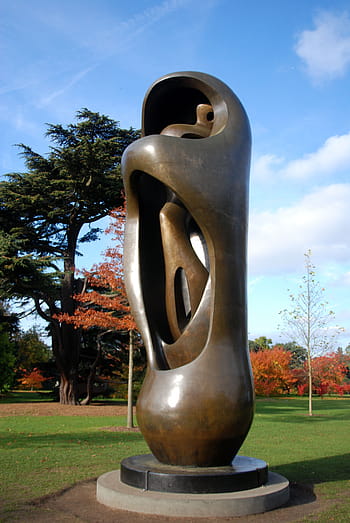
 

Image result for pun

 
Puns are a play on words or a joke that exploits words and expressions with double meanings or which have similar pronunciation. In the picture the word 'lute' is used because it sounds very similar to the word 'loot', which is a slang term for money.
 
Puns can often be found on the front of greetings cards and in memes shared on social media platforms. Many small businesses in the UK also use puns to name their companies and attract the attention of consumers. For example, in my hometown there is a hairdressers called A Cut Above which is a phrase that uses the hairdressers main task to provide customers with a haircut, but which also means something superior, like in 'his graphic design skills are a cut above the rest' or 'that new steak restaurant in town is a cut above'.There is also a fish and chip shop called The Codfather, which sounds very similar to the title of classic gangster movie The Godfather.


What kind of humour is popular in your country and which styles do you prefer? Write your answers in the comments! 


Wednesday, 19 August 2020

10 FREE Activities to Keep Kids Busy in the School Holidays

 Suitable for intermediate and above CEFR B2+

#childrensactivities #kidsactivities #summerholiday #staycation #kidssummer 


If your travel plans have been adversely affected by the coronavirus pandemic, the family holiday you've been looking forward to has been cancelled or lockdown has left you with a reduced income or financial worries, you're not alone! So many families have been affected in the UK and internationally and as a teacher, I understand that keeping children entertained on a budget is no easy task, but you needn't feel like a bad parent if money is tight. This post lists my top ten FREE activities to keep children busy and entertained during your summer staycation. 


10. Go on a nature walk 

If you've been walking more with the family during lockdown, taking a bag with simple supplies like a camera, some paper, crayons, a magnifying glass and some recycled glass jars can easily turn a quick walk into a whole morning activity that everyone can enjoy. 

Visit by Busy as Bees Nursery to Garthorne Road – Nature ...

Stop and investigate different trees and plants, take bark and leaf rubbings and hunt for minibeasts with your magnifying glass, using old glass jars or a clear plastic cup for a closer look. Spending time looking up the name of the creatures, writing a list, taking photos and finding some interesting facts online is a great way to embed a little educational content and it can also extend the activity when you get home.

It is, of course, a good idea to plan a route around your local area that passes a variety of habitats, such as woodland, fields and hedgerows, but you'll be surprised how much you can find in urban habitats too. 


9. Take a dip, have a water fight or set up a slip and slide 

If its warm outside and you already have a paddling pool or set of water pistols, this one is an absolute must. But have you also considered setting up a slip and slide with things you already have in your house? 

Slip and Slide Fun | Having fun in the sun on the slip & sli ...

Any area of grass will do for this activity but ground with a slight gradient may work even better. All you need is some heavy-duty plastic sheeting and lots of soapy water.

Keep your child's safety in mind. Always use smooth plastic sheeting without any seems and keep pouring water on to avoid painful friction burns. Check the ground for any protruding rocks or stones that could cause injury and build a crash barrier with pool noodles fixed with duct tape, velcro or ground hooks. A couple of yoga mats could be used as liners underneath the plastic sheeting if the ground is very hard, but be sure to secure everything properly to avoid injury.  


8. Summer Reading Challenge 

Kids,reading,book,child,kids reading - free image from needpix.com

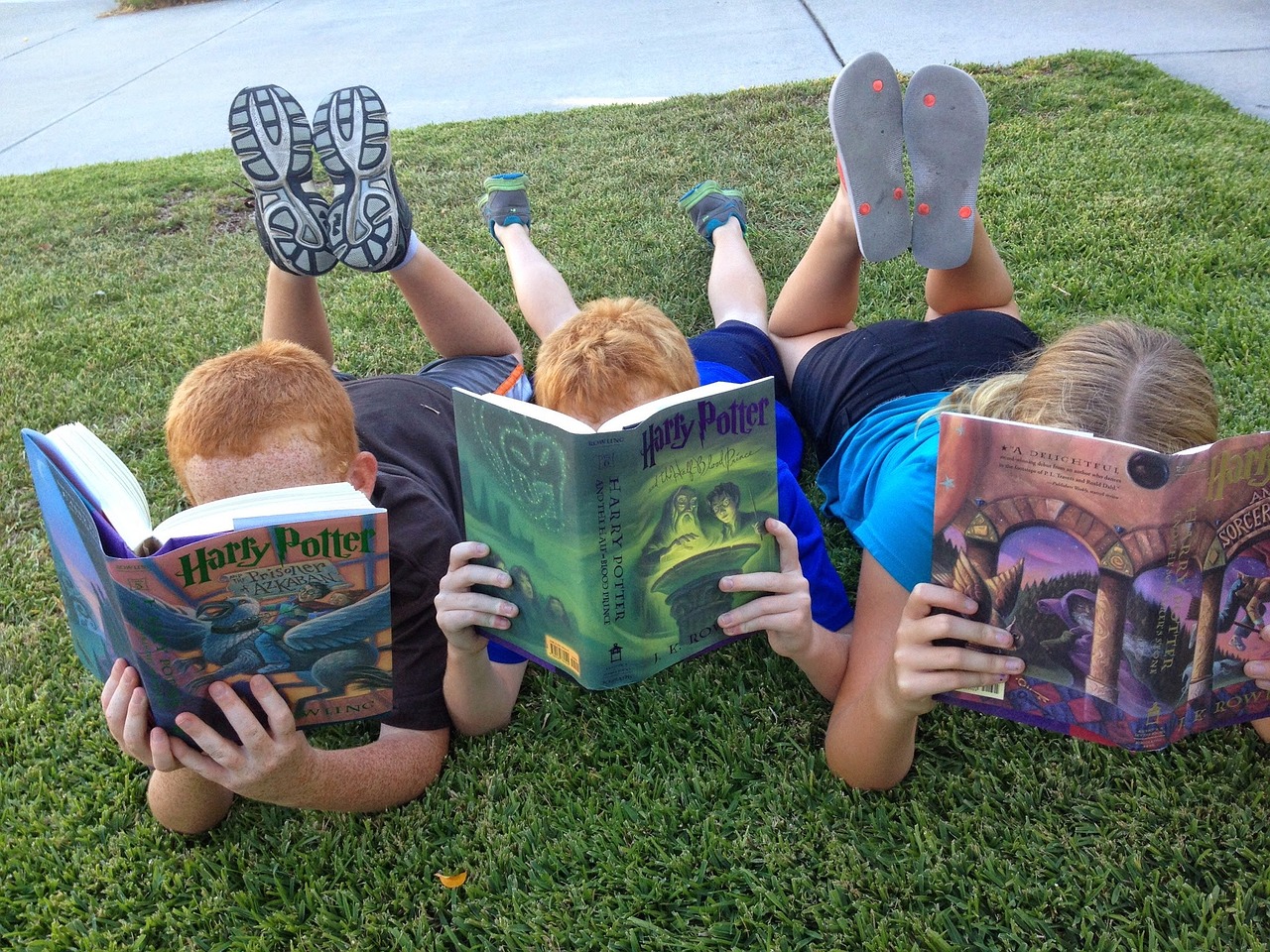
Many community libraries run summer reading challenges to keep kids in the habit of reading over the holidays and the best part is that you don't even need to visit the library to take part! Check your library's free eBook and audiobook catalogue to download as much children's literature as possible. Audiobooks are especially great for children that like to be active as they can listen whilst colouring, digging in the garden, playing with Lego or doing some other low-level activity. 


7. Fruit picking 

 File:Blackberries by Hanney Road - geograph.org.uk - 1469378.jpg ...

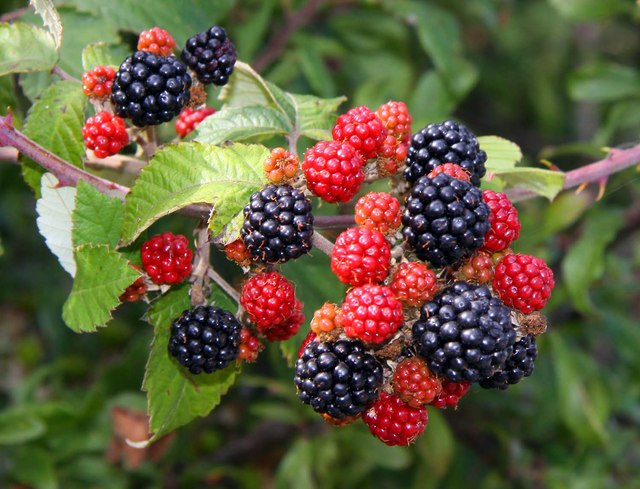
There is an abundance of fruit growing by the roadsides at this time of year, take a bag and look out for juicy ripe blackberries, apples, pears and plums to harvest. Turn this into a whole day activity by going to buy ingredients to make jam or a pie. The children could even decorate jam jars to give as gifts.


6. Take a bike ride

When I was a kid I loved going out on my bike! Back then there was a lot more green space and less traffic on the roads, but you can still make good use of country parks, cycle lanes and wide pavements to take your children on a two-wheels adventure. Use a sports watch or mobile phone to map your route and count your miles. You could even create your own map to put up on the fridge where you can stick pictures of famous landmarks to target miles!


5. Camp in the garden

 grass, summer, nature, leisure children, play, tent, play tent ...

This is an old favourite. Get the old tent out of the garage and let the kids sleep outside for the night. Have a BBQ and breakfast outside (whatever the weather) and play some garden games, like badminton, bowls, rounders or cricket, to bring a few more holiday touches to your home.


4. Put on a fashion, dance, magic or puppet show 

Children of all ages love to put on a show. Encourage their creativity and nurture their talents by helping them to put on their own performance. They will love showing off what they've done and they might even teach you something new!


3. Make a stop motion animation video 

DSC00710 | Plasicene Zombies from a film using stop-motion a… | Flickr

Kids these days are very tech savvy. If your child is spending too much time watching videos online, encourage them to make their own stop motion animation! All you need to get started is a mobile phone with a camera function. 

You can be as creative as you like by painting an old shoebox to create a background or making characters out of plasticine or craft materials, but sticking some googly eyes on a piece of fruit can work just as well!


2. Get cooking

Free Images : boy, home, young, food, cooking, color, kitchen ...

This is a great choice for a rainy day. Most children love making a mess in the kitchen, but with a bit of guidance they can learn an important life skill too. You could support your kids to design a menu, go shopping for the ingredients (don't forget to give them a budget and let them do the maths!) and then make a 3 course dinner to serve the whole family. Not only will they love eating their creations, they will get a real sense of achievement seeing others enjoying what they have made. 


1. Set up a mini Olympics

 Chloe's field day games | Loren Kerns | Flickr

If you've got enough garden space, you can set this up at home, but a local park would be fun too. You can set up several classic events with minimal equipment. Long jump and running require only a stopwatch and a few items to use as markers. You could also do a discuss throw using a frisbee and target shoot with a bucket and a ball or nerf guns. You could also set up mini events using any sports equipment you already have, or throw in some sports day classics, such as the egg and spoon, wheelbarrow and sack race for extra family fun! You might also invite other families to join in if you're in a local park or with your virtual olympics from their own garden and post videos to each other and create a leaderboard so your mini athletes can 'compete' against each other.

If you have kids of different age groups consider handicapping events to avoid arguments. 


Wednesday, 29 July 2020

Life in the UK: The History of Stonehenge

Suitable for intermediate and above CEFR B1+

Stonehenge is one of the most famous sights in Great Britain, but, with UNESCO World Heritage status, it is also considered one of the most important historical sites in the world.

Image result for stonehenge

Vocabulary

oval, ditch, masterpiece, ancient, huge, solstice, monument, megalith, archaeologists, rituals, burials, crops, harvest, excavated, worship, horseshoe, deity, horizontal, aligned

Use an English dictionary or translator to write down the meaning of these words before reading or listening to the text.

What is a henge?

A henge is basically a ring of raised earth that is roughly circular or oval in shape with a ditch running around it. There are usually between one and four entrances and they are thought to have been used for rituals and burials.

There are many stone circles and henges throughout The British Isles, but Stonehenge has the largest stone megaliths and has therefore always been the most famous. The largest stones, also known as sarsens, stand up to 9m tall and weigh an average of 25 tonnes. Some ancient henges have been reconstructed with wood rather than stone, like this one in Northumberland.

See the source image

The Story of the Stones

Stonehenge is located in a field near Salisbury in Wiltshire, England. Although the exact date is unknown, the stones are thought to have been placed between four and five thousand years ago. Stonehenge is a masterpiece of ancient engineering and it would have taken a huge effort from many people working with the most basic tools.

Why the Neolithic and Bronze Age people of Britain put such effort into constructing Stonehenge remains a mystery, but curiously, the stones are exactly aligned with the movement of the sun. Recording the seasons and the solstices were very important for the emergence of agriculture and farming to work out the annual schedule for sowing and harvesting crops, but archaeologists believe that Stonehenge was much more than an early calendar because of the number of human and animal bones excavated near the site. For this reason it is thought that Stonehenge was a place for spiritual rituals and celebrations associated with the worship of a solar deity

Image result for stonehenge


The first stones were laid in a double circle and were known as bluestones, but these were replaced by the horseshoe of large sarsens we see today in about 2500BC. Originally, all of the sarsens would have had a stone laid horizontally across the top to connect them, which would have created a magnificent inner and outer circle of stone arches. Over time, however, some of the stones were removed, possibly to be used for other buildings or construction. 

Many people that feel a spiritual connection to the stones or follow ancient religions and practices, such as pagans and druids, still gather at Stonehenge every year to watch the sunrise during the summer and winter solstices.  

See the source image


Activity 1

Answer these questions about the text true or false. 

1. Stonehenge is one of many 'henges' that can be found around Britain. T/F
2. Stonehenge was built in 2500BC. T/F
3. The largest stones are called sarsens. T/F
4. Stonehenge is in Wiltshire, in the South of England. T/F
5. People have parties at Stonehenge in the summer months. T/F


Activity 2

Write about an ancient monument or famous historical site in your country using the passive voice. To make a sentence in the passive voice of present simple use the verb 'to be' with a past participle. For example:

Stonehenge is near Salisbury - present simple
Stonehenge is located near Salisbury - present simple passive voice

For more information about how to use the passive voice check out these lessons:


References
The History of Britain: 2016: Igloo Books: China

Thursday, 9 July 2020

Dealing with Grief in the Coronavirus Pandemic

Suitable for upper-intermediate CEFR B2+

2020 has been a year dominated by the coronavirus pandemic. 

See the source image

There has been unprecedented disruption to life as we know it and I've personally struggled with maintaining a healthy routine during the 3 months national lockdown in the UK, during which I lost a family member that has been a hugely important part of my life. Grief is hard to deal with at any time, but not having the opportunity to support this person in their final moments because of restrictions imposed for the pandemic, was especially difficult to swallow. 

I am not ashamed to admit that I lost my way after that. I didn't know what to do or how to live anymore in this strange new world. I doubted if it was a world worth living in at all. But as the days of social isolation stretched on, I began to find beauty and solace in observing all the little comings and goings of the season through the kitchen window. 

As March ticked slowly away, the soft pink blossoms on the cherry tree faded and bright orange flowers opened at the bottom of the garden. In April, I noticed the colours on all the little garden birds that I might previously have missed going about my usual schedule. In May the hot weather brought out bluebells in the forest that I could enjoy on a long evening walk with the dog and I began to feel connected with nature in a way that I hadn't experienced for a very long time. 

I will never forget the sky looking clearer and bluer than ever at a time when pollution levels were the lowest they had ever been during my lifetime. I will never forget waking to a melodious cacophony of birdsong in the almost total absence of air traffic and motorway noise. I will never forget the glorious and profound silence. In times of darkness these memories will exist to remind me that there is such astounding beauty and hope in the presence of nature, if you only stop and notice. 

I'd like to dedicate this post not only to all the keyworkers that have supported efforts to fight the pandemic and keep people safe, but to everyone across the world that has lost someone close to them during the pandemic. My heart goes out to you all. 


The Joy of Being

Now is the timeless space in which everything in the universe is happening simultaneously. By becoming aware of the space of now, you suddenly feel more alive inside.
                                                                                                                       - Eckhart Tolle

Words and Phrases to Remember

impose, to deal with, difficult to swallow, grief, solace, simultaneously, astounding, to bring out, keyworkers

Look these words up in a translator and an English dictionary and record the meaning. 


Activity

See if you can answer TRUE or FALSE to these questions about the text

1. Life has changed because of the pandemic. T/F
2. Grief is a feeling of sadness felt after somebody dies. T/F
3. The writer was with the person when they died. T/F
4. The writer felt sadness when looking out of the window. T/F
5. The writer has many happy memories of social isolation during the quarantine. T/F

Write your answers in the comments!


Wednesday, 3 June 2020

10 Traditional British Foods You've Probably Never heard Of

Suitable for pre-intermediate CEFR B1+

#BritishCuisine #BritishFood #UKFood #BritishCulture #LifeintheUK #LIUK


Activity 1
Look up the meaning of new vocabulary before reading.


It's probably fair to say that British food does not have the best reputation. At least, in all the years I've greeted international students at summer schools in the UK I've never heard anyone mention that they wanted to come to the UK to sample the Great British cuisine! British food is often described as plain, tasteless and bland, but I happen to think this is mostly down to bad cooking and not the cuisine itself.

Fish and chips and Cornish cream teas are undoubtedly the most famous British traditions, but there are many more scrumptious regional dishes packed into the British Isles, so here are my top 10 traditional British foods you probably haven't heard of before.

10. Bubble and Squeak

Bubble and squeak breakfast at Hobba | Katherine Lim | Flickr

These classic British breakfast patties are made from mashed potatoes and cabbage or other vegetables left over from a Sunday roast dinner. They are usually pan-fried and served with eggs.

9. Ulster Fry

20 Irish Foods Explained Just in Time for St. Patrick's Day – 24/7 ...

You're probably familiar with a full English breakfast. The Ulster fry is a variation of this from Northern Ireland that is traditionally served with black pudding, white pudding and soda bread. Black pudding is a rich sausage made with beef suet or pork fat and pork blood, and white pudding is a similar sausage made without the blood.

8. Cornish Pasty

British Billy tucks into a Cornish pasty > Royal Air Force ...

The humble Cornish pasty is a popular lunchtime dish that can be traced back to the tin mining industry in Cornwall in the 1200s. In those days the miners' wives would pack minced meat and vegetables inside a thick shortcrust pastry sealed with a crimped or twisted edge. Modern pasties are available in many different flavours, including cheese and onion and chicken tikka masala (another British favourite adopted from India in the 1900s).

7. Welsh Rarebit

File:Welsh rarebit on crackers.jpg - Wikimedia Commons

This is a bit like fancy cheese on toast. It's made by making a thick cheese sauce with English Cheddar and a strong ale or stout beer. These ingredients are usually combined with melted butter, flour, English mustard and Worcestershire sauce and grilled on thick-cut toasted granary bread.

Historically, cheese was a popular and much cheaper source of protein during the 18th Century when meat was considered a luxury. It was often served as a main meal with leek and potato soup. Nowadays it is also served as a trendy appetizer on its own or with an egg on top (known as a buck rabbit) or alongside tomato soup (known as a blushing bunny).


6. Scotch Egg

File:-2018-12-26 Scotch eggs, Cromer.jpg - Wikimedia Commons

Originating from Yorkshire in the 1900s, the scotch egg consisted of a hard boiled egg that was coated in creamy fish paste and rolled in breadcrumbs. Modern scotched eggs are wrapped in a layer of roughly minced sausage meat rather than fish paste and either baked or deep-fried. Scotched eggs are often included in a traditional 'ploughman's lunch' of cold meats, bread, English cheddar cheese and pickle.

5. Haggis

Haggis | A traditional Scottish dish, haggis with "neeps and… | Flickr

Haggis is a traditional Scottish savoury pudding made with sheep's heart, liver and lungs mixed with suet, oatmeal, minced onion and spices. The mixture is traditionally cooked inside the sheep's stomach, though it is also sometimes now made with artifical casing. Haggis, neaps and tatties  (haggis, turnips and potatoes) is widely considered the national dish of Scotland.


4. Toad in the Hole

Toad in the hole with gravy | Try our mouth watering toadies… | Flickr

This English batter pudding made with sausages dates back as early as 1762, when it was described as having a rather vulgar name. It was developed as a filling family recipe for poorer households that would make the best of a small amount of meat. It is still widely served across the UK today, typically with mashed potatoes, onion gravy and seasonal vegetables.

3. Crumpets

File:Buttered crumpet2.jpg - Wikipedia

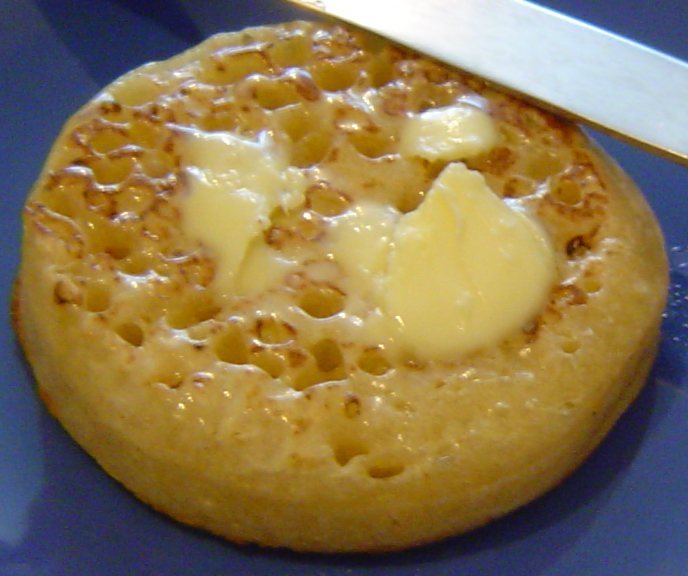
Crumpets were first made by the Anglo-Saxons in England, Wales and Ireland in the 1600s. They are a thick type of pancake made with an unsweetened batter of water, milk, flour and yeast that is poured into a crumpet ring and cooked on one side, which gives them a distinctive spongy texture. Crumpets are a common breakfast food across the UK today, but they are also eaten for brunch or in the afternoon as a snack. They are usually served with butter and a cup of English breakfast tea.


2. Steak and Kidney Pie

File:Steak pie 09012012.JPG - Wikimedia Commons

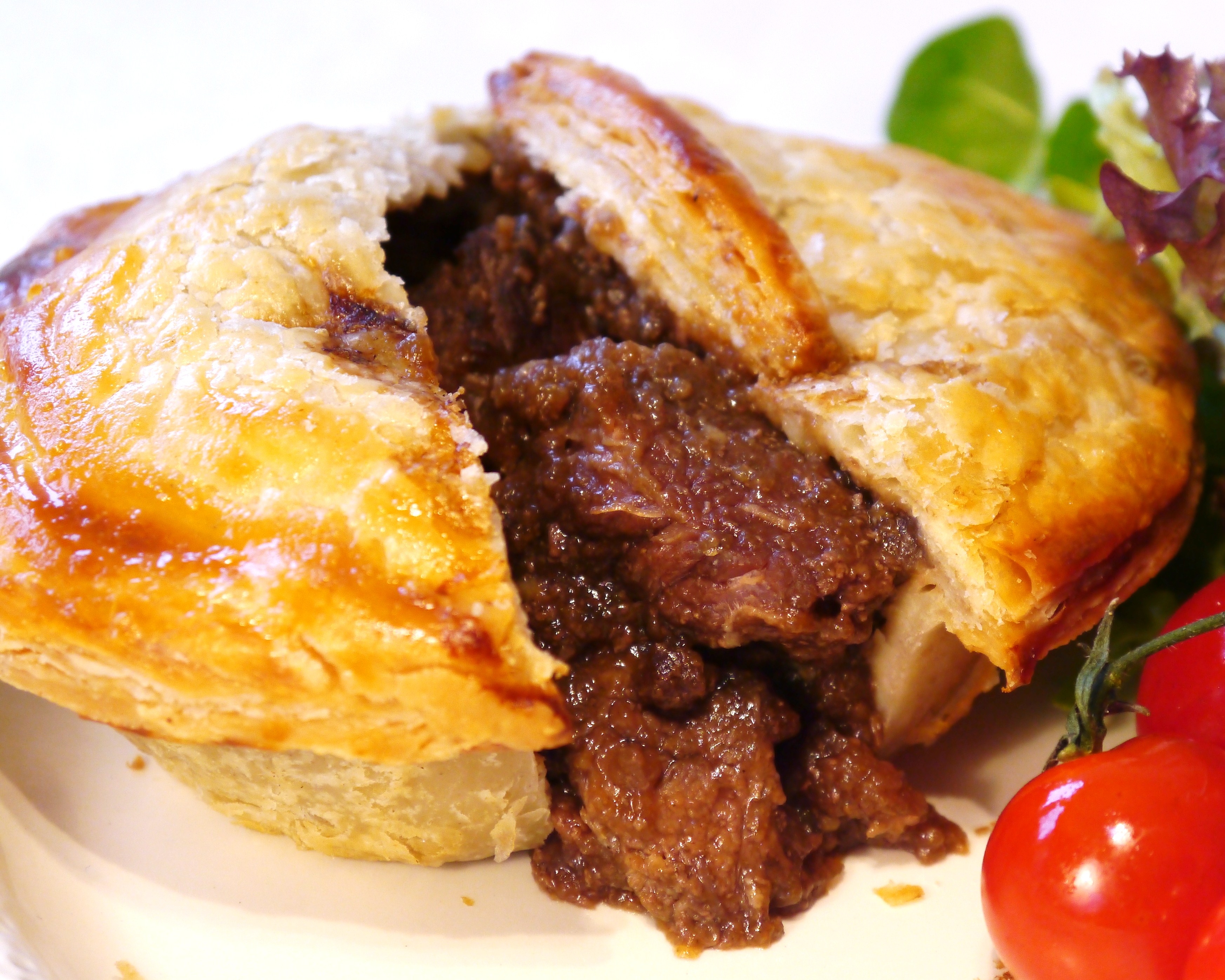
This delicious recipe first appeared in 1861 and is thought to have originally come from Sussex in England. Beef steak and kidney meat is roughly chopped, mixed with gravy stock and sealed within a casing of suet pastry. The kidney gives the tender meat a distinctive flavour that is best served with mashed potatoes and seasonal vegetables. Modern versions are also commonly served with chips (thick-cut potato fries). 


1. Yorkshire Pudding

Best of British Food - Yorkshire pudding | Roast beef with Y… | Flickr

Roast beef and Yorkshire pudding is an iconic British dish, but Yorkshire puddings are a versatile and popular English side dish that can be served many different ways. Made with a batter of flour, eggs, milk, water and salt, the perfect Yorkshire is puffed with air and crisp on top, with a deliciously soft and squidgy bottom. You may have noticed that the ingredients for Yorkshire pudding are very similar to those of pancakes, but the unusual texture of the Yorkshire pudding can only be achieved by adding the batter to very hot oil.

Originally invented as a cheap and economical stomach-filler for working class families, the distinctive shape makes them perfect to fill with gravy and stuffing or sausages, as with Toad in the Hole. Leftover Yorkshire puddings are also sometimes filled with jam or served alongside an English breakfast with beans or tomatoes. Yorkshire pudding wraps with a choice of sweet and savoury fillings have also emerged in recent years as a contemporary street food trend at festivals and markets.


Activity 2
Make your own sentences to describe your favourite cuisine or cuisine from your country. 

Activity 3
What do you think about British cuisine? Have you heard about the dishes in this article? Which ones would you like to try?


Wednesday, 20 May 2020

Life in the UK: 10 Famous British Artists


Suitable for intermediate CEFR B1+

If you’re applying for citizenship in the UK, it’s important to know about art as part of British culture and heritage. Art is also a great topic of conversation for English learners because it often divides opinions! This article will provide a summary of 10 of the most famous British artists, but first a little of British art history.


It is thought that British art from the middle ages had a mostly religious theme, but unfortunately much was lost during the Protestant Reformation. During the 16th and 17th Centuries, most artists working throughout The British Isles were from Europe. British artists that painted both portraits and landscapes became popular from the 18th Century onwards.


Paintings and sculptures by British and international artists are displayed in art galleries and museums all over the UK including The Tate Britain, The Tate Modern, The National Gallery, The National Museum in Cardiff and The National Gallery of Scotland in Edinburgh. The Tate Britain is home to The Turner Prize, established in 1984, to celebrate contemporary art. Each year four works are shortlisted and displayed there before a winner is announced. Previous winners have included Damien Hirst and Richard Wright.


This is by no means a complete list, but it’s a pretty good starting point and they are all in the syllabus for those studying for the Life in the UK Test. Artists are listed in chronological order.


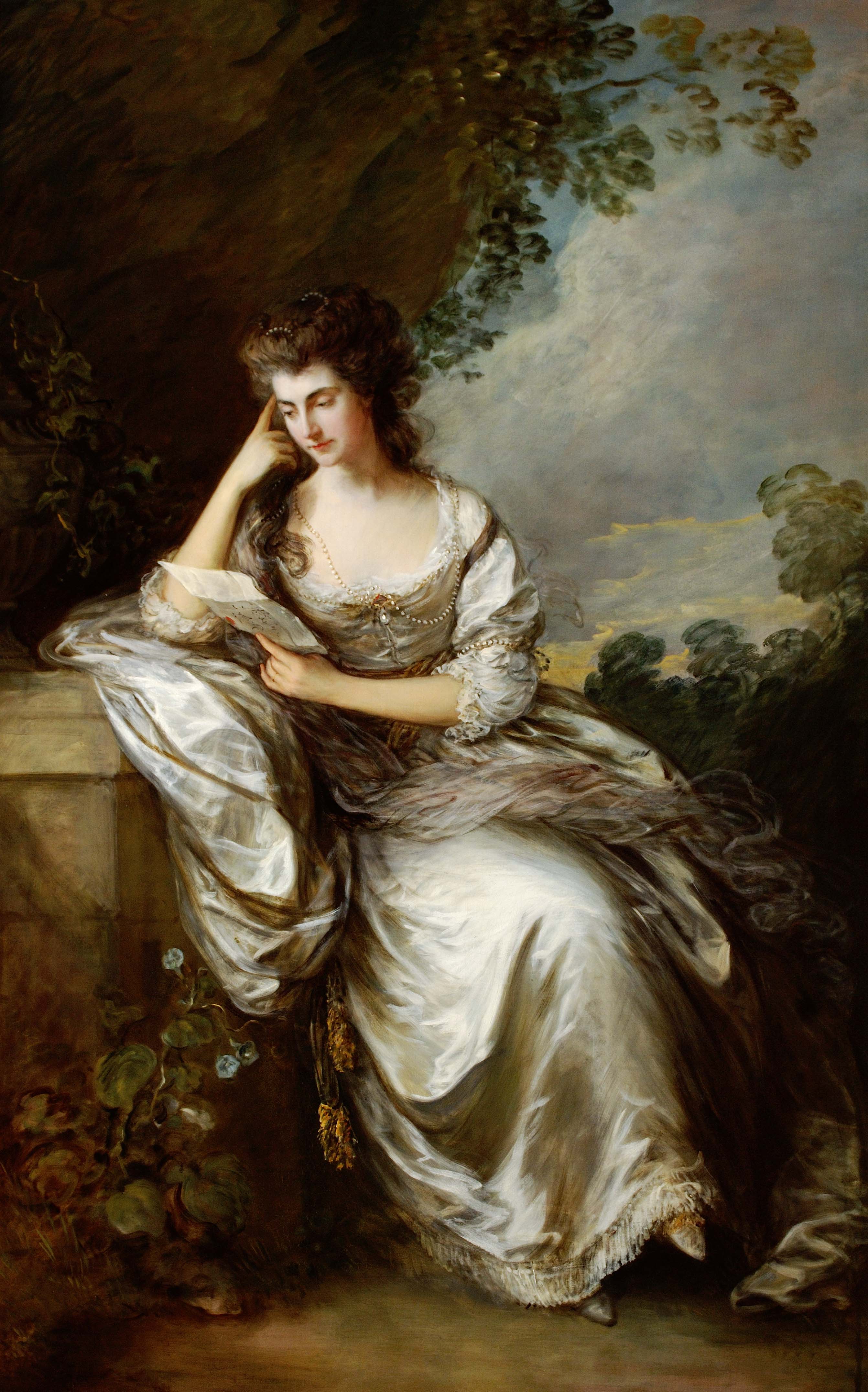
1. Thomas Gainsborough (1727- 1788)

Thomas Gainsborough - Wikipedia

Thomas Gainsborough was a portrait painter who typically painted people in garden or country landscape settings.


2. David Allan (1744 – 1796)


File:Portrait of James Craig by David Allan.jpg - Wikipedia

A Scottish painter well-known for his portrait art. He specialised in painting family groups and one of his most famous works is named The Origin of Painting.


3. Joseph Turner (1775 – 1851)

File:Joseph Mallord William Turner - Fishermen at Sea - Google Art ...

 Joseph Turner famously raised the profile of landscape painting and is widely considered one of the ‘great masters’ of painting. His work was first displayed at the Royal Academy when he was just 15 years old. Throughout his career, Turner produced over 500 oil paintings and 2000 watercolours including Dutch Boats in Gale, 1801 and The Fighting Temeraire, 1839. His paintings, many of which are seascapes, are identified for his clever use of light, shade and colour. Turner was recently named the most influential British artist of all time with his portrait printed on the £20 note.


4. John Constable (1776 - 1837)

File:John Constable The Hay Wain.jpg - Wikipedia

Also a landscape artist, John Constable was an English painter of the romantic tradition. He was most famous for his depictions of the Dedham Vale, an area of Suffolk close to where he was born.


5. The Pre-Raphaelites

Pre-Raphaelite Young Woman with Roses" c.1898 | Unknown art… | Flickr

Yes, I know this might be cheating as it is not just a single artist. The Pre-Raphaelites were a group of painters from the late 19th Century who painted literary and religious scenes in bright colours.


6. Sir John Lavery (1856 - 1941)

 Sir John Lavery - Idonia in Morocco: The Equestrian Lady | Flickr

This famous artist from Northern Ireland once painted the Royal Family.


7. Henry Moore (1898 – 1986)

Royalty-free henry moore photos free download | Pxfuel

Henry Moore was an English sculptor and painter best known for the abstract style of his large bronze sculptures. 


8. John Petts (1914 – 1991)


File:Tree of life stained glass window at St Peter's Church ...

This very successful Welsh artist worked mainly with engravings and stained glass. 

9. Lucian Freud (1922 - 2011)


Man's Head (Self-Portrait I) 1963 | Lucian Freud 1922 - 2011… | Flickr

This well-known portrait artist was born in Germany but spent most of his life in Britain after his parents fled the Nazi occupation in 1933. He served in the British Merchant Navy during the Second World War, before becoming one of the 20th Century’s most prolific portrait painters.


10. David Hockney (1937)

David Hockney, Garden #3, 2016 1/16/18 #metmuseum | Sharon ...

David Hockney contributed to the pop art movement in the 1960s and continues as an influential painter, printmaker and photographer today.


Who is your favourite artist? Comment below!

Stop Saying VERY! Use These Advanced Adjectives to Instantly Improve Your English Fluency

 #vocabulary #English #ielts #ieltsprep #ieltsspeaking   Very is one of the most overused words in the English language and the worst thing ...